
6 results
-
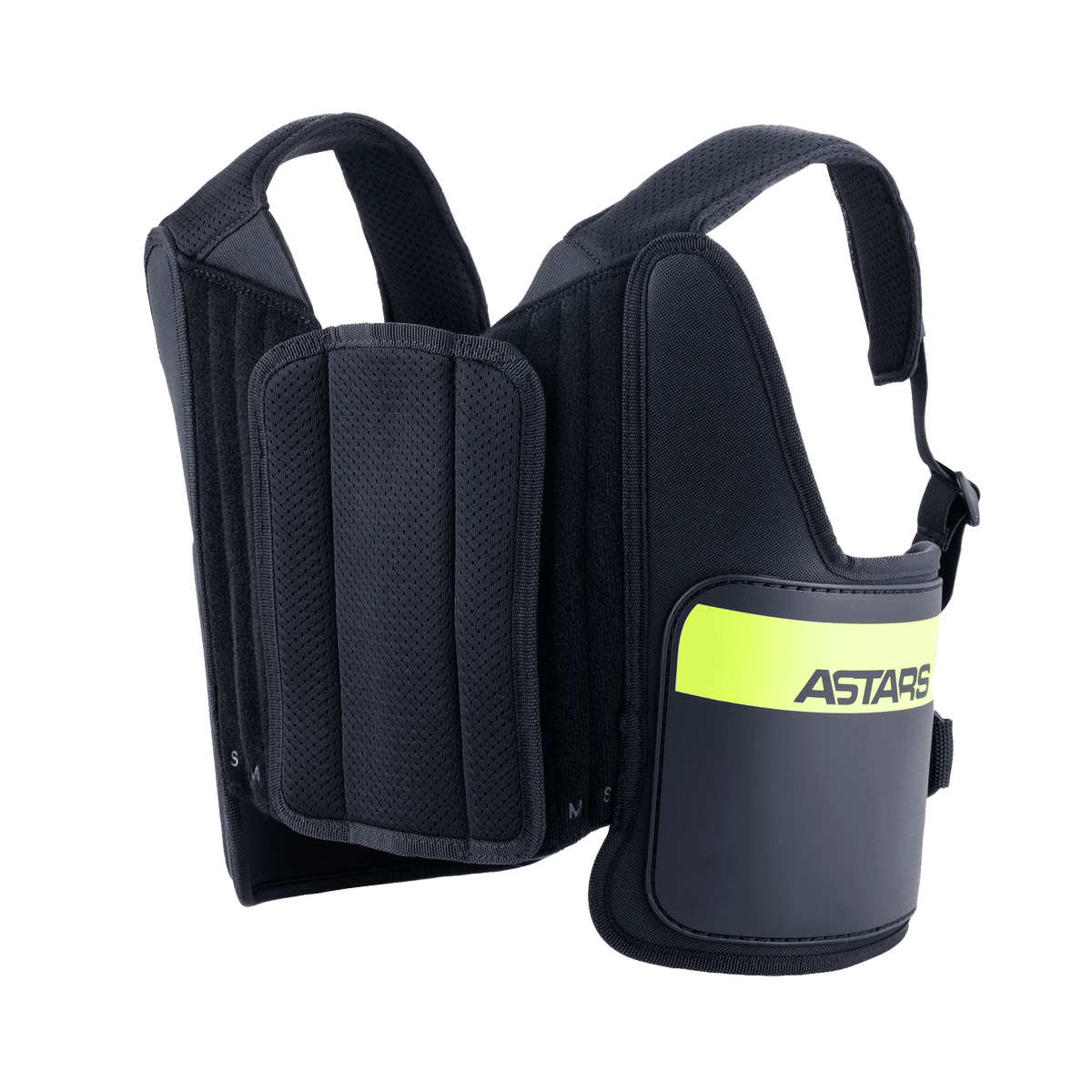
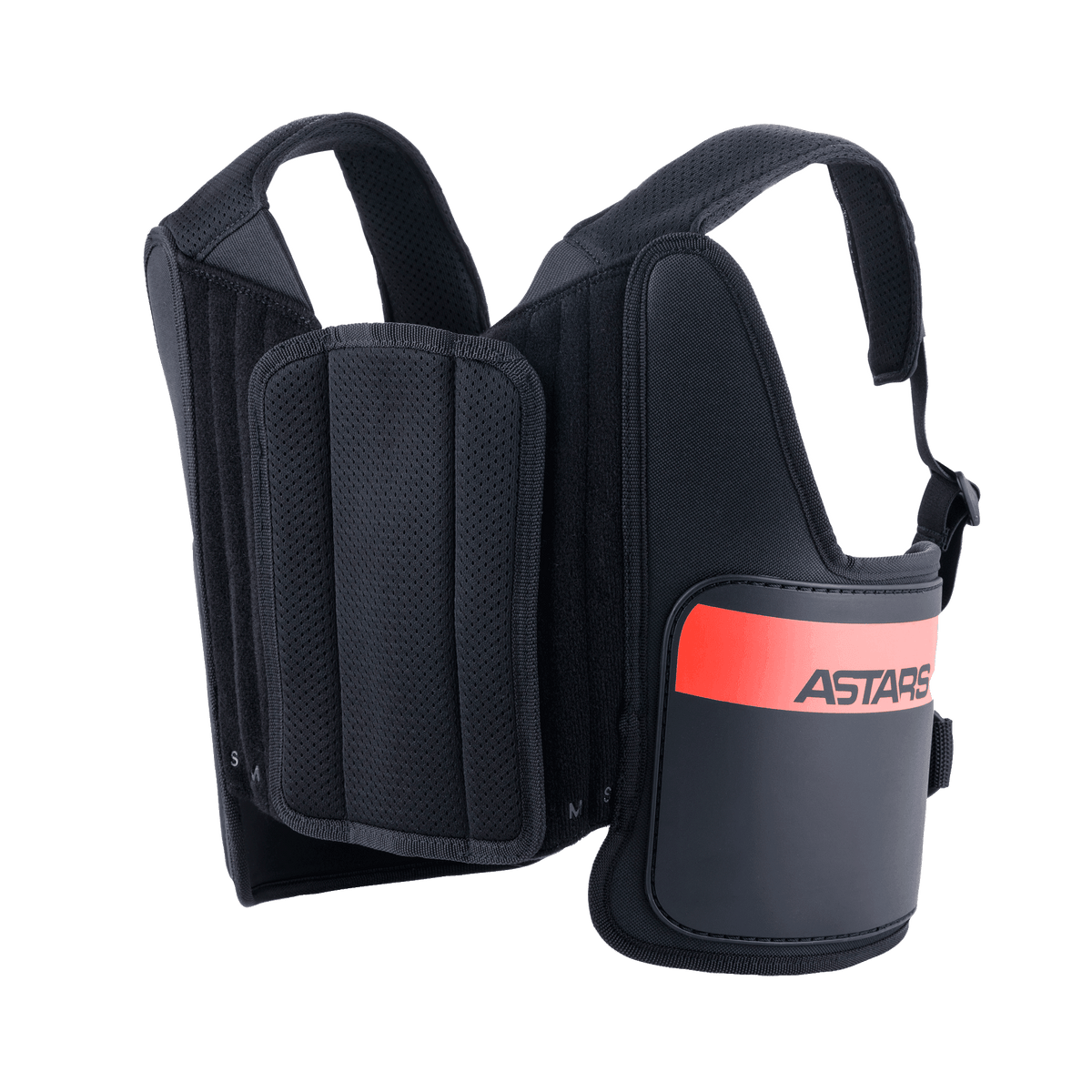
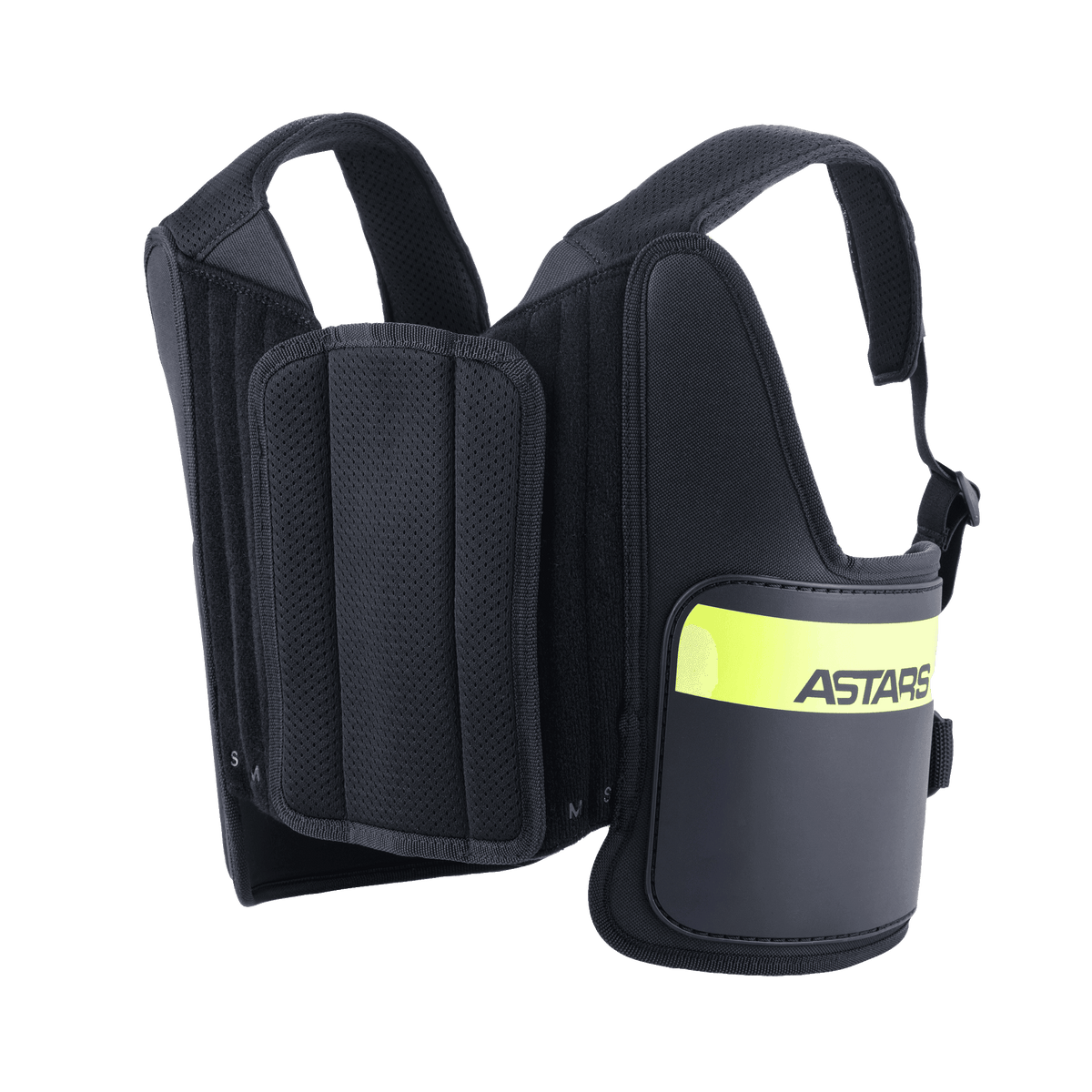
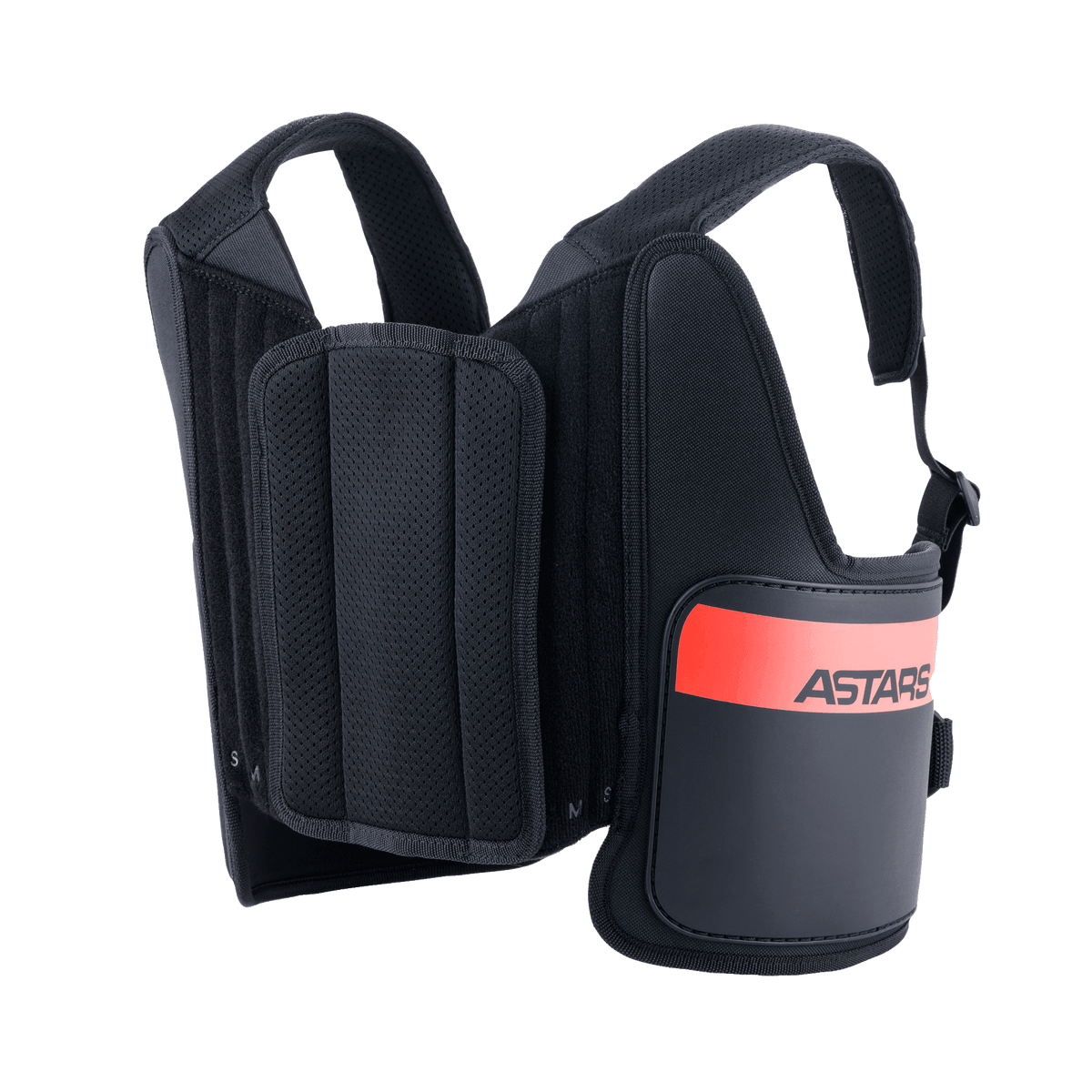
Youth Bionic Rib Support -
Bionic Rib Support -
Bionic Rib Support -
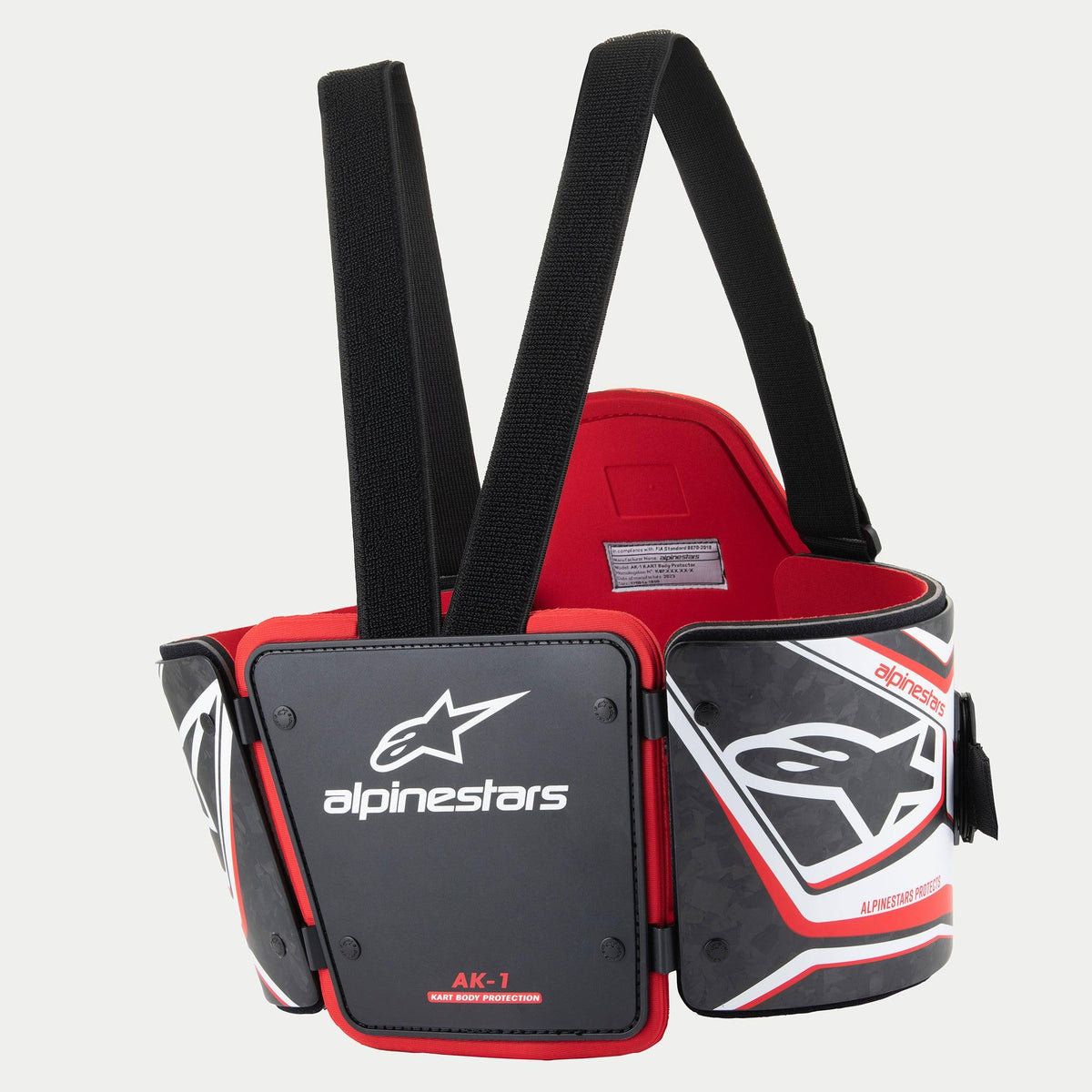
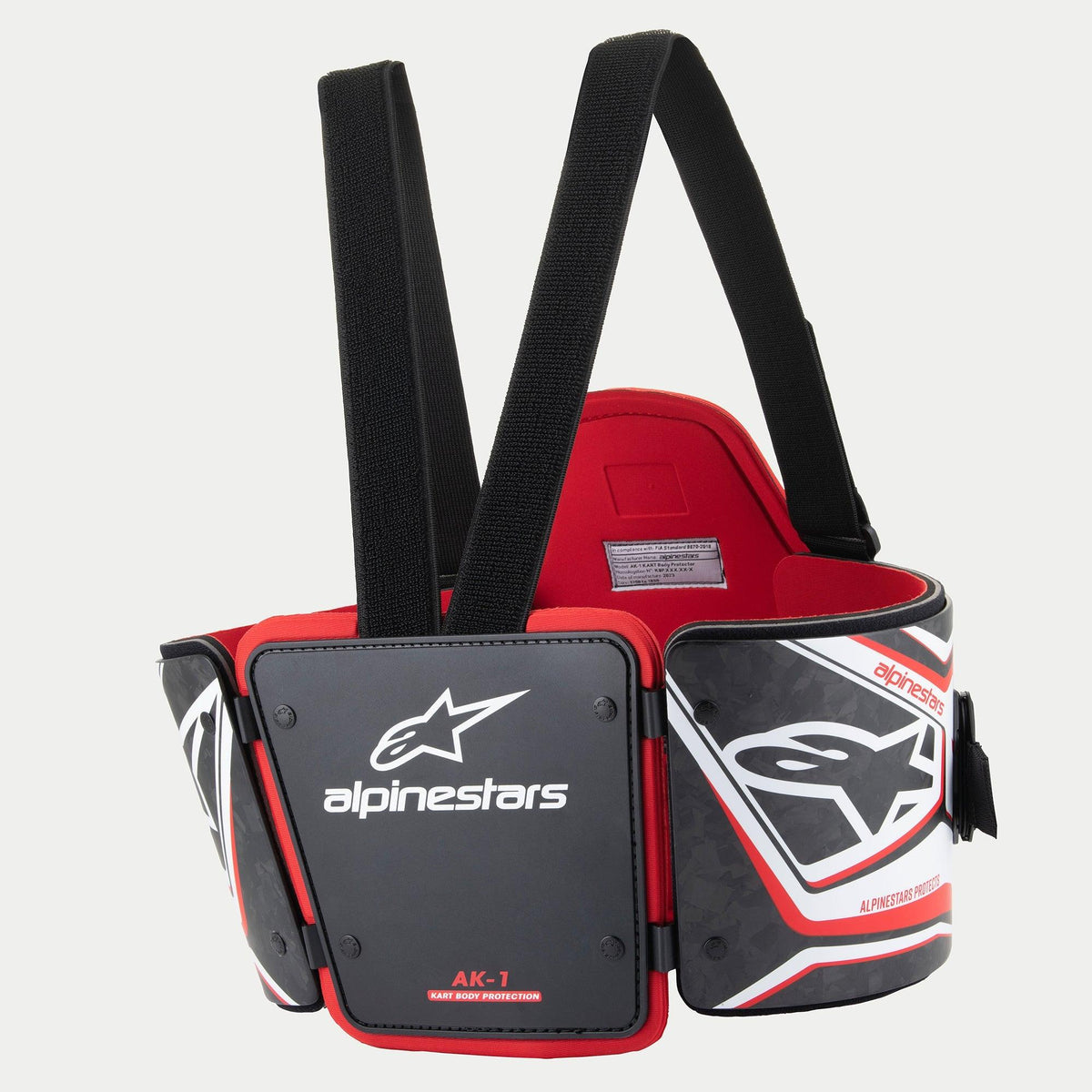
AK-1 Kart Body Protector -
Youth Bionic Rib Support -
Youth AK-1 Kart Body Protector











6 of 6 products
All products loaded
Frequently asked questions Hide FAQs
What types of karting protection are included in this collection?
This collection features comprehensive karting protection gear designed for competitive and recreational kart racing. You'll find rib protectors, chest guards, back protectors, and neck braces engineered specifically for the unique demands of karting. Each piece is built to meet FIA standards while maintaining the mobility and comfort required in the confined cockpit environment. The protection systems use advanced materials and ergonomic designs that work together as a complete safety ecosystem for kart racers at all levels.
Are these karting protectors FIA-approved?
Yes, Alpinestars karting protectors are designed to meet or exceed FIA homologation standards required for competitive karting. Our rib protectors and chest guards comply with FIA 8870-2018 regulations, ensuring they provide the necessary impact protection for sanctioned racing events. Each product's specific certifications are listed in its technical specifications. For professional karting competition, always verify that your chosen protection meets the current FIA requirements for your racing category.
How should karting protection fit under a racing suit?
Karting protection should fit snugly against your body without restricting movement or breathing. Most karting protectors are designed with low-profile construction to fit seamlessly under your karting suit without creating bulk or pressure points. Rib protectors typically use adjustable straps or elastic systems to ensure a secure fit that won't shift during racing. The protection should cover vital areas completely while allowing full range of motion for steering inputs and pedal control. When properly fitted, you should barely notice the protector during normal driving movements.
What's the difference between rib protectors and chest protectors for karting?
Rib protectors and chest protectors serve different protective functions in karting:
| Feature | Rib Protectors | Chest Protectors |
|---|---|---|
| Primary Protection | Side and rib cage impact | Front torso and sternum |
| Common Use | Competitive karting (FIA required) | Additional front impact protection |
| Coverage Area | Wraps around sides and back | Covers chest and upper abdomen |
Many serious kart racers use both types together for comprehensive protection. Rib protectors are typically mandatory in competitive racing, while chest protectors offer supplementary defense against steering column impacts.
How do I care for and maintain karting protection gear?
Proper maintenance extends the life and effectiveness of your karting protection. After each race day, wipe down hard shell components with a damp cloth to remove dirt and sweat. Fabric portions and padding can be spot-cleaned with mild soap and water—avoid machine washing unless specifically indicated by the product care label. Allow all pieces to air dry completely before storage, never use direct heat sources. Store protection gear in a cool, dry place away from direct sunlight to prevent material degradation. Regularly inspect all straps, buckles, and shell integrity for signs of wear or damage. Replace any protector that has sustained significant impact or shows structural compromise, as protection effectiveness may be reduced even if damage isn't visible.